
Custom cabinetry from Foshan. Since 1995.
nicolas1681688@gmail.comPrivacy

Custom cabinet doors and decorative panels.

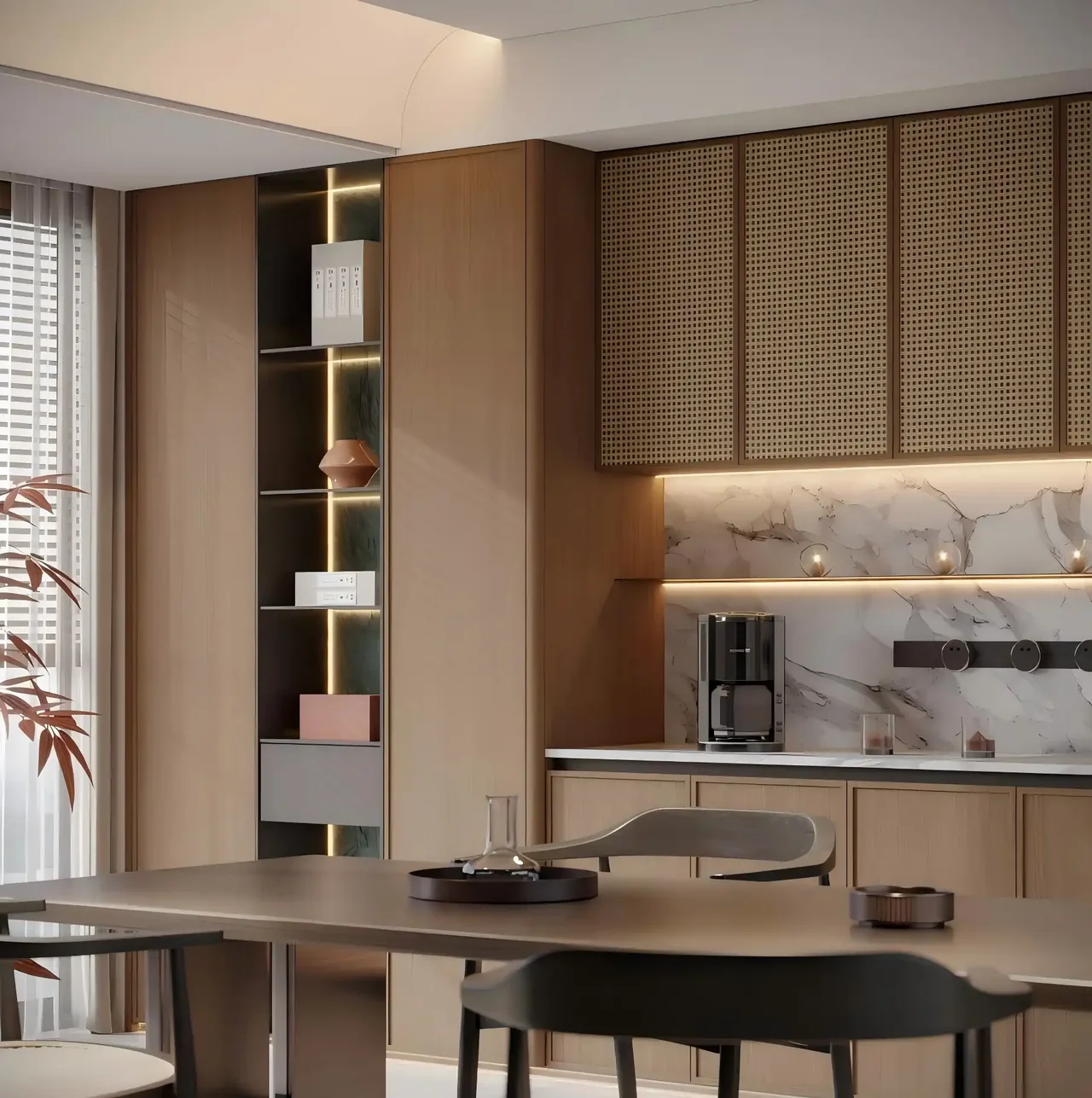
Coordinate cabinet fronts with the storage around them. Explore framed and woven-look design details, then specify the panel core, finish, dimensions and hardware for each cabinet.

Dining-room cabinet with framed and woven-look cabinet fronts — Kejia catalogue view 1

Explore the product series.

Each series leads to its own designs and corresponding images.

Cabinet doors & panels gallery

View the product guide

1 design

Choose the finish.
Define the details.

Explore the surface first. Then specify the core, edge and hardware for the room and budget.

Compare cabinet materials
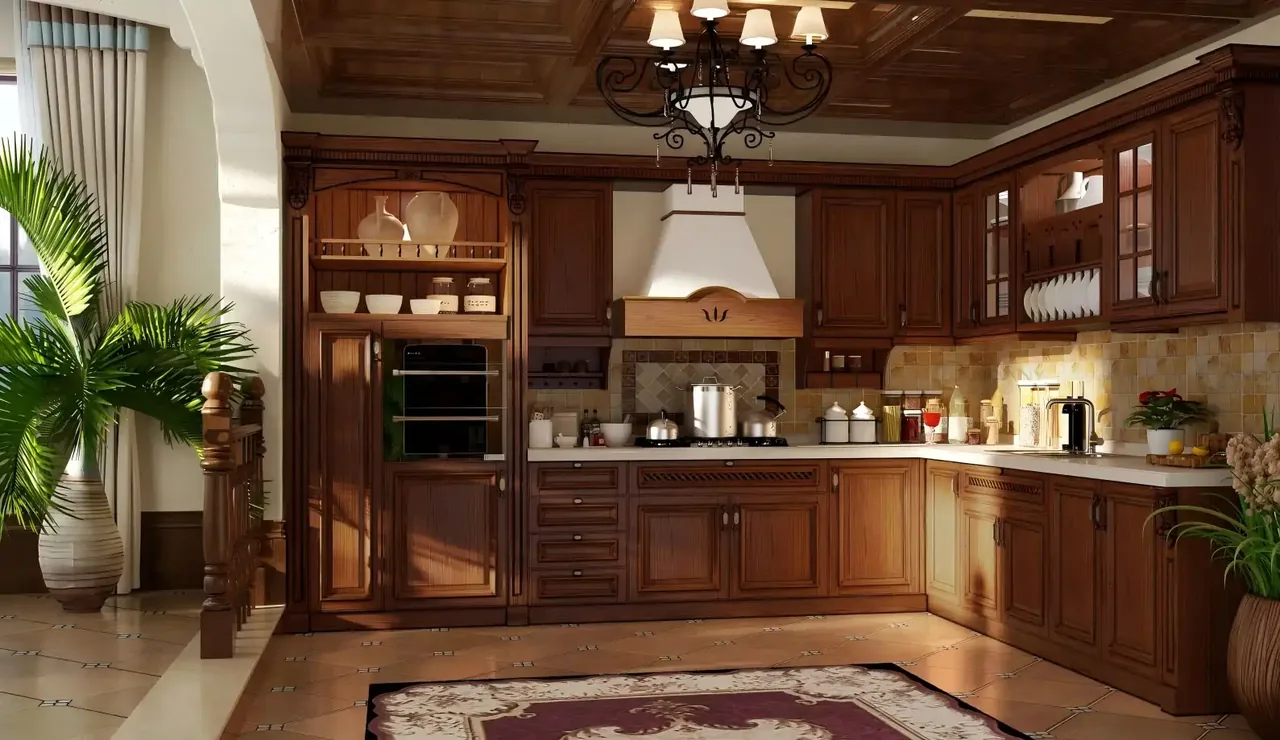
Traditional wood kitchen cabinets — Kejia catalogue view 2

From your plan to a clear specification.

A practical path for your cabinetry project.

Start your project
01

Share your brief

Room plans, quantities, preferred finishes and destination.

02

Develop the specification

Agree layouts, materials, hardware and the quotation scope.

03

Confirm the details

Approve drawing revisions, samples and production requirements.

04

Coordinate supply

Document packing, delivery and installation responsibilities.

Specify cabinet fronts as part of the cabinetry

Custom cabinet doors and decorative cabinet panels can bring a consistent appearance to dining-room storage, kitchen cabinets and other fitted furniture. The catalogue shows cabinet fronts and sample designs. Confirm the panel core, thickness, edges, finish and hinge positions separately for the selected construction.

Questions before you order

How do I choose custom cabinet doors and matching drawer fronts?

Start with the cabinet layout and an approved finish sample. Coordinate the visible profiles, colors and grain or pattern direction, then specify each front’s dimensions, panel construction, edge treatment and handle details.

What should I confirm about cabinet door sizes and hinge positions?

Provide a cabinet schedule with front dimensions, thicknesses, opening direction and the intended hinge system. Confirm overlay or inset construction, clearances, handle positions and drilling requirements before production.